
iPhone 18 Pro vs iPhone 17 Pro: Is the Upgrade Worth It?
The iPhone 18 Pro adds a variable-aperture camera, longer battery life and much faster sustained performance—but most iPhone 17 Pro owners should keep their phone. Here is who should upgrade and who should save the money.
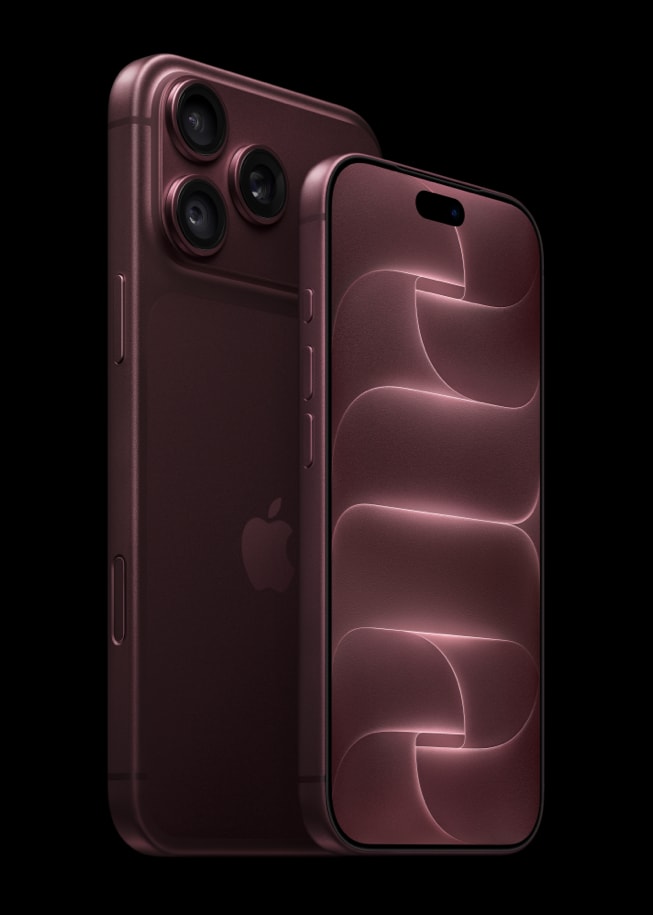
Quick answer
Most iPhone 17 Pro owners should not upgrade to the iPhone 18 Pro. The screen size, 120Hz ProMotion display, overall design and many everyday features remain familiar. Keeping the 17 Pro for another year is the smarter financial choice if it still has good battery health and does everything you need.
The iPhone 18 Pro becomes worth considering if you regularly shoot photos or video, play demanding games, need the longest possible battery life, or want 2TB of storage. Its most meaningful upgrades are the variable-aperture main camera, A20 Pro chip, redesigned cooling system and faster charging.
Best for most iPhone 17 Pro owners: Keep the 17 Pro.
Best for creators and heavy users: Consider the 18 Pro.
Best value rule: Upgrade only if the new features solve a problem you actually have—not simply because the model number changed.
iPhone 18 Pro vs iPhone 17 Pro at a glance
- U.S. launch price: iPhone 17 Pro $1,099; iPhone 18 Pro $1,199
- Starting storage: 256GB on both models
- Maximum storage: 1TB on iPhone 17 Pro; 2TB on iPhone 18 Pro
- Display: 6.3-inch OLED with ProMotion up to 120Hz on both
- Chip: A19 Pro versus A20 Pro
- Main camera: 48MP Fusion versus 48MP Fusion with variable aperture
- Video playback: Up to 31 hours versus up to 36 hours on the 18 Pro eSIM-only model
- Wired charging: 50% in about 20 minutes versus about 15 minutes
- Weight: 204g versus 211g
Prices are Apple’s U.S. launch prices before tax, trade-in or carrier credits. Regional prices vary, and the iPhone 17 Pro may now be sold mainly through carriers and third-party retailers.
The price difference matters
The iPhone 18 Pro starts at $1,199 in the United States, $100 more than the iPhone 17 Pro’s $1,099 launch price. Both start with 256GB, but the 18 Pro adds a 2TB option for people who keep large video libraries on the device.
A $100 generation-to-generation increase may not sound huge, but upgrading from a phone you already own is not a $100 decision. You are paying the full new-phone price minus whatever you receive from a trade-in or private sale.
Apple says eligible U.S. trade-ins can provide $175 to $885 in instant credit, while carrier promotions may advertise more. Read the conditions carefully: the largest carrier credits can require a specific unlimited plan, monthly bill credits and a long commitment. A “free” upgrade can still cost more if it moves you to a more expensive plan.
Camera: the clearest reason to upgrade

*Apple’s iPhone 18 Pro camera sample. Image: Apple.*
The standout change is the iPhone 18 Pro’s 48MP Fusion Main camera with variable aperture. Apple says six aperture blades can adjust depth of field and light, automatically or through four manual settings in the Camera app.
That gives photographers more control over background blur, group shots and low-light scenes. Pro controls also make shutter speed, white balance and exposure information easier to reach. For creators who shoot frequently on a phone, this is a real upgrade rather than a minor specification change.
The iPhone 17 Pro is not suddenly a weak camera. It already has three 48MP Fusion cameras, an 18MP Center Stage front camera, ProRes RAW and strong stabilization. For ordinary family photos, social posts and travel pictures, the practical difference may be smaller than Apple’s launch presentation suggests.
Upgrade for the camera if: you shoot paid work, record a lot of video, often struggle with low light, or genuinely want manual aperture control.
Keep the 17 Pro if: most of your photos are viewed on a phone screen and you rarely edit RAW files or use manual camera settings.
Performance: faster, but not essential for everyone
*The A20 Pro chip powers the iPhone 18 Pro. Image: Apple.*
The iPhone 18 Pro uses Apple’s new A20 Pro chip. Apple claims 50% more memory bandwidth than A19 Pro, a seven-core GPU that is up to 40% faster, and double the AI processing power. The redesigned vapor chamber has three times more surface area and is designed to maintain performance for longer.
Those gains matter most for long gaming sessions, high-resolution video editing and demanding on-device AI workloads. They are much less important for messaging, browsing, banking, streaming and ordinary photography.
The iPhone 17 Pro’s A19 Pro remains extremely capable. If your current phone already feels fast, paying for more performance may not improve your daily experience.
Battery and charging: useful, not revolutionary
Apple rates the iPhone 17 Pro for up to 31 hours of video playback. The iPhone 18 Pro reaches up to 36 hours on eSIM-only models. Apple also says the 18 Pro can reach 50% charge in about 15 minutes with a compatible 60W-capable adapter, compared with about 20 minutes for the 17 Pro using a compatible 40W adapter.
Five extra rated video-playback hours and slightly faster charging are welcome. But battery health matters more than the model name. A one-year-old 17 Pro with healthy battery capacity may still comfortably last a full day.
Before spending $1,199, check Settings → Battery → Battery Health. If battery degradation is your only problem, a battery service is likely far cheaper than replacing the entire phone.
What barely changes
Both phones use a 6.3-inch OLED display with ProMotion up to 120Hz, 3,000 nits peak outdoor brightness, Always-On display and the same resolution. Both support USB-C, MagSafe and Qi2 wireless charging up to 25W.
The iPhone 18 Pro is also slightly heavier at 211g versus 204g. That is not a deal-breaker, but it reinforces the main point: this is a targeted upgrade for camera, performance and battery—not a completely different everyday phone.
Pros and cons
iPhone 18 Pro
Pros
- Variable-aperture 48MP main camera
- Stronger sustained gaming and editing performance
- Longer rated battery life
- Faster wired charging
- Storage option up to 2TB
- New Siri AI features with iOS 27
Cons
- Starts $100 above the 17 Pro’s launch price
- Heavier than the 17 Pro
- Many benefits are aimed at power users
- Best carrier offers may require expensive long-term plans
Keeping the iPhone 17 Pro
Pros
- Saves the largest amount: the cost of a new phone
- Same display size, refresh rate and outdoor brightness
- Still has a powerful chip and excellent triple-camera system
- No need to transfer data, change cases or start a new payment plan
Cons
- No variable-aperture main camera
- Shorter rated battery life
- Less headroom for demanding games and on-device AI
- Maximum storage stops at 1TB
Final recommendation: is the upgrade worth it?
For most iPhone 17 Pro owners: no. Keep your current phone, install the latest supported iOS update and reassess next year. The 17 Pro remains fast, capable and expensive enough that replacing it after one year is difficult to justify.
For professional creators, serious mobile gamers and heavy users: maybe. The better cooling, stronger sustained performance, longer battery life and variable-aperture camera can save time or improve work. The upgrade makes the most sense when those improvements have measurable value to you.
For owners of an iPhone 15 Pro or older: the decision is more compelling because several generations of camera, battery and performance improvements accumulate. Compare your current device’s battery health and trade-in value before buying.