RBA Rate Decision Today: How Much Would a 4.6% Cash Rate Add to Your Mortgage?
The RBA decides at 2:30 pm AEST today. If the cash rate rises from 4.35% to 4.60% and a lender passes on the full 0.25 points, see consistent repayment examples for A$300k–A$1m loans, plus what variable and fixed borrowers should check.

Quick answer
The RBA's cash rate target is 4.35% before its 29 September 2026 decision, scheduled for 2:30 pm AEST. A rise to 4.60% is a scenario, not an announced decision. If your lender subsequently increases your variable home-loan rate by the full 0.25 percentage points, a $500,000 principal-and-interest balance at 6.00% with 25 years remaining would move from about $3,222 to $3,298 a month: $77 more monthly, or about $922 over 12 months. Your actual change depends on your own loan rate, balance, remaining term, lender announcement, repayment method and any offset balance. The cash rate is not the rate on your mortgage.
What would a 0.25-point mortgage-rate rise cost?
These are NOWSCOPE calculations, not bank quotes. Each row assumes a 6.00% starting mortgage rate, 6.25% after a full lender pass-through, 25 years remaining, monthly principal-and-interest repayments, a constant balance for the comparison, and no fees, offset or redraw effects. Figures are rounded to the nearest dollar. Annual change is 12 times the unrounded monthly difference, not a forecast of your actual interest bill.
| Loan balance | At 6.00% / month | At 6.25% / month | Monthly rise | 12-month rise |
|---|---|---|---|---|
| A$300,000 | A$1,933 | A$1,979 | A$46 | A$553 |
| A$500,000 | A$3,222 | A$3,298 | A$77 | A$922 |
| A$600,000 | A$3,866 | A$3,958 | A$92 | A$1,106 |
| A$700,000 | A$4,510 | A$4,618 | A$108 | A$1,291 |
| A$750,000 | A$4,832 | A$4,948 | A$115 | A$1,383 |
| A$1,000,000 | A$6,443 | A$6,597 | A$154 | A$1,844 |
We use the standard monthly amortisation formula: payment = balance × monthly rate / [1 − (1 + monthly rate)^−months remaining]. Here 25 years means 300 monthly payments. The A$500,000 example uses the same original balance and term for both rates, so the result isolates the assumed rate change. If your current mortgage rate is 5.5% or 7%, or your loan has 18 years left, calculate again with your figures using ASIC MoneySmart's mortgage calculator. For a quick interest-only illustration, 0.25% of A$500,000 is A$1,250 a year, or about A$104.17 a month before balance changes; interest-only contracts and offsets need their own calculation.

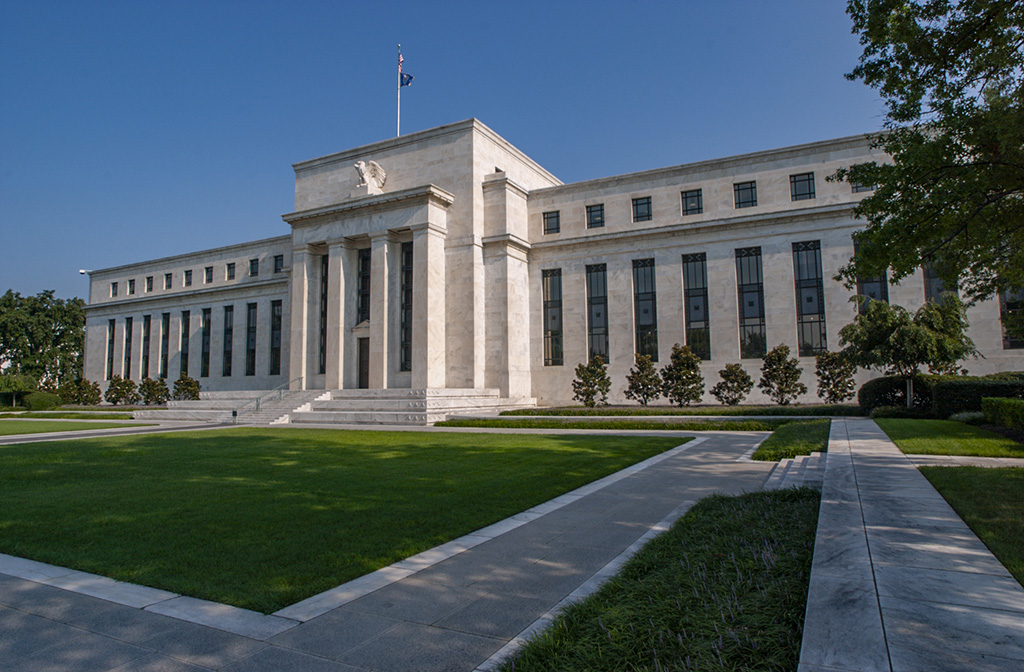
Photo: Nick-D / CC BY-SA 4.0. Unmodified image.
What is confirmed—and what is still a prediction?
The RBA's cash-rate page lists 4.35% and the next update for 2:30 pm on 29 September 2026. The Monetary Policy Board meets on 28–29 September. All four major banks and all 29 economists in the Bloomberg survey cited by ABC expect a 0.25-point rise, while market pricing implies roughly a 90% chance. These are forecasts, not the RBA decision. The official statement is scheduled for 2:30 pm AEST, followed by the governor’s 3:30 pm media conference. We will not describe a rise as certain before the official statement. The RBA says a change to its cash-rate target takes effect the following day; that is separate from any bank's subsequent mortgage-rate decision.
A cash rate of 4.60% does not mean your home-loan rate becomes 4.60%. The cash rate is an overnight wholesale benchmark. As the RBA explains, banks' funding costs and lending rates do not necessarily change by the same amount or at the same speed. The table is relevant only if your lender applies a full 0.25-point increase to your own variable loan rate. Ask for the lender's actual new rate and effective date before treating the table as a bill.

Photo: Troy Mortier / Unsplash.
What about home buyers?
A higher mortgage rate can reduce how much a lender is willing to advance. The effect depends on income, expenses, debts and the lender’s serviceability test; do not treat a general percentage estimate as a personal borrowing limit. If you are pre-approved or bidding on a home, ask your lender or broker to rerun the assessment after any actual rate change, and keep a buffer for repayments and purchase costs. ABC reports Canstar’s modelling of a roughly 9% borrowing-capacity reduction across the rate rises since the start of 2026, which must not be confused with the effect of today’s single possible 0.25-point rise.
When would my repayments change?
Variable-rate loan: Wait for your lender's announcement or account notice. Check the effective date of its new loan rate and the date its required repayment is recalculated; they may differ from the RBA announcement day. If you already pay more than the minimum, the amount you choose to transfer may stay the same even if the required minimum changes. Review the interest charged and your repayment schedule rather than assuming the next direct debit rises immediately.
Fixed-rate loan: Your contracted rate and scheduled repayment generally stay fixed during the fixed period. Check when it ends, the revert rate and any restrictions or break costs before making a switch. A fixed and variable split needs each portion assessed separately. ASIC MoneySmart's fixed-versus-variable guide explains the trade-offs.
Interest-only loan: The simple extra-interest estimate is balance × 0.0025 ÷ 12 for a full 25-basis-point pass-through, before offsets. Your interest-only period can end separately from the RBA decision, at which point principal repayments may raise the required payment significantly. Use MoneySmart's interest-only calculator and check the end date in your contract.
What should you check today?
1. Check your loan details. Open your lender app or statement and note the outstanding balance, actual mortgage interest rate, remaining term, repayment frequency, loan type and fixed-rate expiry if any.
2. Model a 0.25-point rise. Recalculate with your actual loan rate plus 0.25 percentage points. For example, 6.00% becomes 6.25%; do not use the RBA's 4.35% cash rate as your mortgage rate.
3. Check your buffer. Review your offset balance, redraw terms and whether extra repayments already exceed your minimum. An offset can lower interest without necessarily changing a lender's scheduled minimum.
4. Wait for the bank notice. After the RBA announcement, check your lender's written new rate and effective date. If it increases, ask what new customers pay on a comparable loan and whether the lender can review your rate. Compare switching costs, features and the full term before refinancing; MoneySmart's switching guide can help.
5. Seek help early if needed. If an increase would strain your budget, contact your lender's hardship team before missing a repayment. MoneySmart explains how to ask for financial hardship assistance.
An example of a potentially useful negotiation: on an unchanged A$500,000 balance, a 0.10-point reduction in your actual mortgage rate is A$500 less simple annual interest before amortisation or offset effects. That is a calculation, not a guaranteed saving or a reason to refinance if fees outweigh it. Compare the actual new rate and all costs.
Bottom line
A 4.60% cash rate is only a possible 29 September outcome. On the explicit 6.00%-to-6.25% mortgage scenario, our A$500,000, 25-year principal-and-interest example rises about A$77 per month. Check your lender rate and personal repayment schedule before making a loan decision. The best immediate move is to know your current numbers and prepare a budget for a possible increase.