
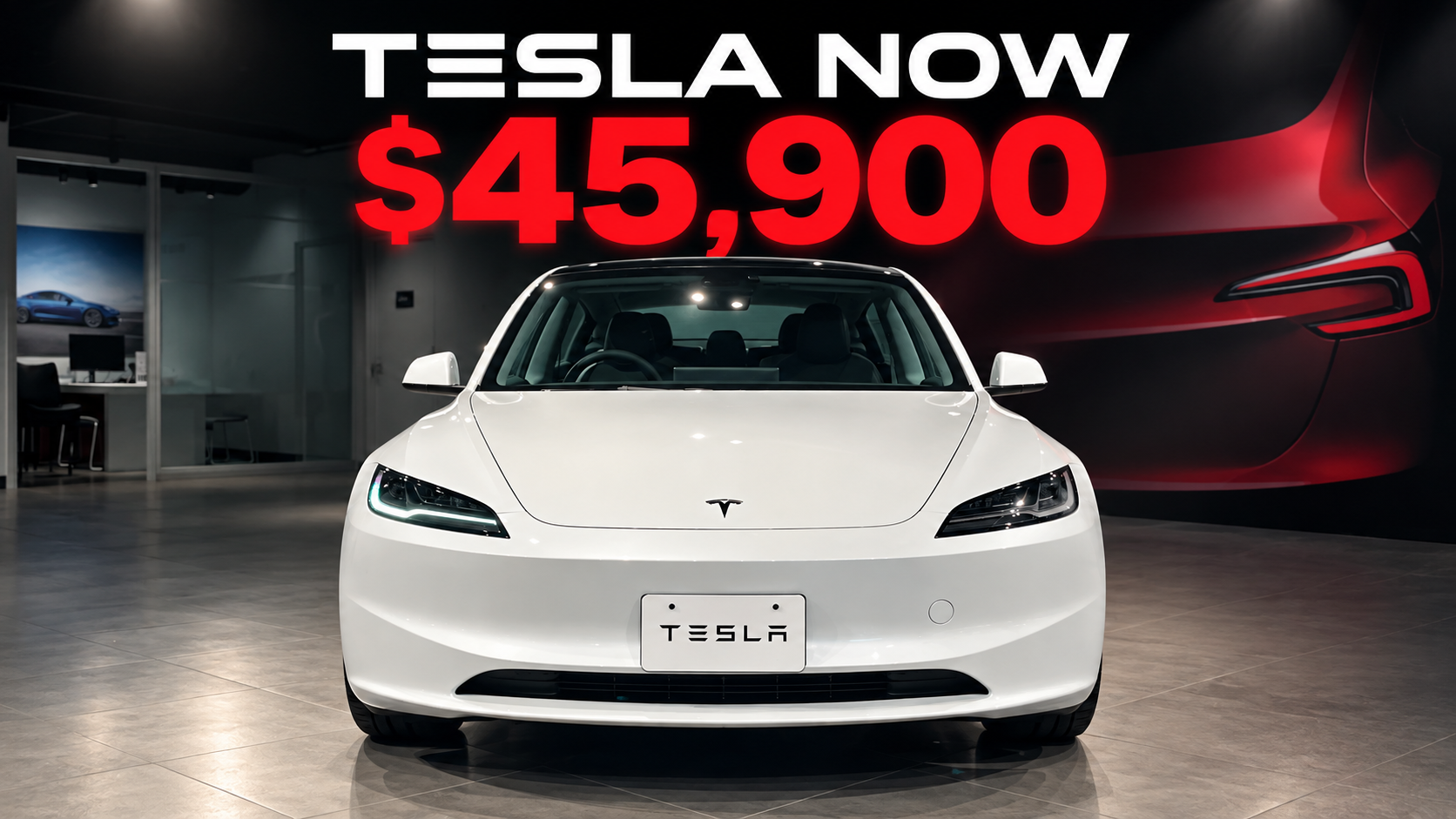
Tesla Model 3 Is Now A$45,900 in Australia: Is the New Base Model Worth Buying Over the Premium?
The new Model 3 RWD is A$9,000 cheaper than Premium and has a higher WLTP range. Here is what you lose, what drive-away really costs and who should buy each.
Quick Answer
The new Model 3 Rear-Wheel Drive starts at A$45,900 before on-road costs, while the Premium Rear-Wheel Drive starts at A$54,900. The A$9,000 gap buys cabin comfort and equipment, not extra official range: Tesla lists 572km WLTP for the base car and 520km for the Premium. If you can live without ventilated front seats, the rear screen, richer audio and the Premium's interior and suspension upgrades, the cheaper car is the stronger value on paper. Test-drive both before deciding how much those daily-use differences are worth to you.
Prices and specifications were checked in Tesla Australia's live configurator on 1 October 2026. Its current estimate for the selected base configuration says delivery in October–November 2026. An estimate is not a promised delivery date, and your final drive-away price depends on state, registration and options.
Model 3 RWD vs Premium RWD: the numbers
| Australia, standard configuration | Model 3 RWD | Model 3 Premium RWD |
|---|---|---|
| Vehicle price before on-road costs | A$45,900 | A$54,900 |
| Difference | — | A$9,000 more |
| Official WLTP range | 572km | 520km |
| 0–100km/h | 6.2 seconds | 6.1 seconds |
| Audio | 7 speakers | 9 speakers |
| Wheels | 18-inch Prismata | 18-inch Photon |
| Rear touchscreen | No | 8-inch screen |
| Front seats | Heated | Heated and ventilated, with power tilt |
| Suspension | Passive shock absorbers | Second-generation suspension with noise reduction |
Tesla's WLTP figures compare vehicles under a standard test. They do not promise 572km or 520km on your particular highway trip. Speed, weather, elevation and configuration affect real range. The base model's 52km higher certified figure should not be mistaken for proof of a larger battery or a lower real-world charging bill; Tesla's configurator does not establish either conclusion.
What do you actually lose for A$9,000 less?
The difference is more substantial than a rear screen. Tesla's official comparison lists a manual-adjust steering wheel on the base car versus power adjustment on Premium, footwell-only ambient lighting versus wraparound and door-pocket lighting, and manual rear air vents versus touchscreen-adjustable rear vents. Base upholstery combines vegan leather with textile inserts; Premium uses perforated vegan leather. Premium also adds heated rear seats, auto-dimming and power-adjustable side mirrors, FM/DAB radio and a noise-reducing suspension setup. The base has seven speakers instead of nine.
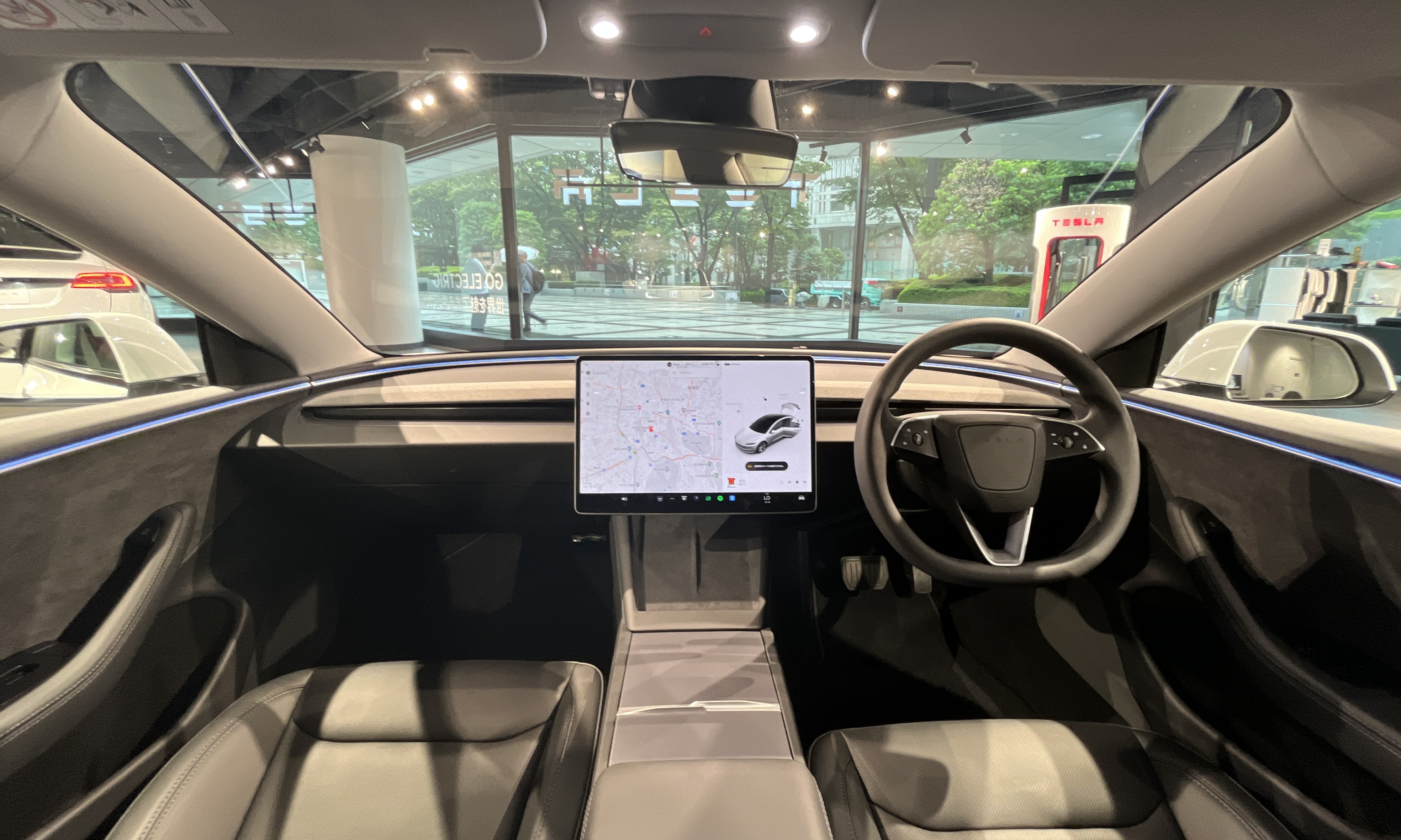
The base still has a 16-inch front touchscreen, heated front seats, basic Autopilot, a glass roof and a hands-free powered boot according to Tesla's comparison. Both list vehicle-to-load capability, but the outlet adapter is sold separately. Tesla's A$149-per-month Full Self-Driving (Supervised) option is separate from the purchase price and requires active driver supervision; it is not autonomous driving.
For a driver usually alone in the front, A$9,000 is a steep price for comforts they may seldom use. For someone carrying passengers daily, the rear screen, rear heating and better cabin finish could matter more. A test drive on the same rough road and a check of seat comfort will tell you more than a feature count.
The real drive-away price is higher
The A$45,900 and A$54,900 figures are vehicle prices before taxes and on-road fees. As one live example, Tesla's configurator displayed A$50,465 drive-away for a white base Model 3 with 18-inch wheels, personal registration in NSW when checked. That example is not an Australia-wide quote. The same page offers Diamond Black paint for A$1,500 and Stealth Grey for A$1,900; charging equipment is not included with the vehicle.
For a fair comparison, set the same state, registration type, paint and payment method for both trims in the configurator. Save both final drive-away quotes. Tesla's delivery estimate on the base configuration was October–November 2026 at the time of checking, although reports of first deliveries in mid-to-late October do not guarantee your own order date.
Will the Premium cost A$9,000 more over five years?
A$9,000 is the starting price difference, not a complete ownership-cost forecast. If you pay cash and keep the car five years, that is A$1,800 per year of extra upfront spending before any difference in registration, insurance, financing or resale. If you instead finance just the A$9,000 difference over 60 months at a hypothetical 7% annual interest rate with monthly compounding, the extra payment is about A$178.21 a month and the additional interest totals about A$1,692.65. This is arithmetic, not a Tesla finance offer; fees and your actual rate change the result.
For your own three- or five-year comparison, use: drive-away price + loan interest and fees + charging + insurance + registration + servicing and tyres − expected resale value. Enter the same annual kilometres and charging mix for both. Do not invent an exact future resale value or assume identical insurance quotes. Request actual premiums and compare the final totals. The A$9,000 gap can narrow at resale, but how much is unknown today.
For charging, enter your actual home electricity price per kWh and the share of charging done on public networks. Tesla's Charge Stats can record home and other charging costs after purchase; charging hardware and installation should be added if you need them. Use the ownership-cost formula above for both trims; a unit-price shopping calculator cannot replace an EV cost comparison.
Should you compare a BYD or Kia instead?
Yes, if your budget is near A$50,000 drive-away. The Tesla base price is below the Kia EV4 Air's reported A$49,990 before on-road costs, but do not compare one car's drive-away quote with another's pre-on-road sticker. BYD Seal grades and promotions also vary; verify the exact variant and today's local quote rather than treating an older advertised number as a direct match.
Ask each dealer for a same-state drive-away quote with the equipment you want. Compare charging access, warranty terms, insurance, cabin practicality and a test drive. The cheapest sticker does not automatically mean the cheapest car to own.
What should you do now?
- Configure the base and Premium in the same Australian state with identical paint and payment settings. Record the final drive-away prices and delivery estimates.
- Test-drive both, paying particular attention to suspension noise and seat comfort. Have regular rear passengers try the back seat.
- Price insurance for the exact trims, and obtain a written finance quote if borrowing.
- Estimate your home/public charging split, charger installation and resale uncertainty over the years you expect to own the car.
- Buy the base if the omitted equipment is worth less to you than the full price gap. Choose Premium only if you value its cabin and ride upgrades enough to pay the difference. Compare other EVs if either final quote stretches your budget.
Bottom Line
At A$45,900 before on-road costs, the new Model 3 RWD keeps the essential Model 3 experience and carries a higher official WLTP range than Premium. The Premium's A$9,000 premium is chiefly a comfort, interior and suspension decision. Verify your drive-away quote and use a test drive, insurance quote and realistic ownership-cost worksheet before placing an order.