
Carry-On Only vs Checked Bag in 2026: Which Actually Saves Money?
Carry-on travel avoids some fees and saves airport time, but it is not always the cheapest choice. Compare fare rules, liquids, laundry and packing limits first.
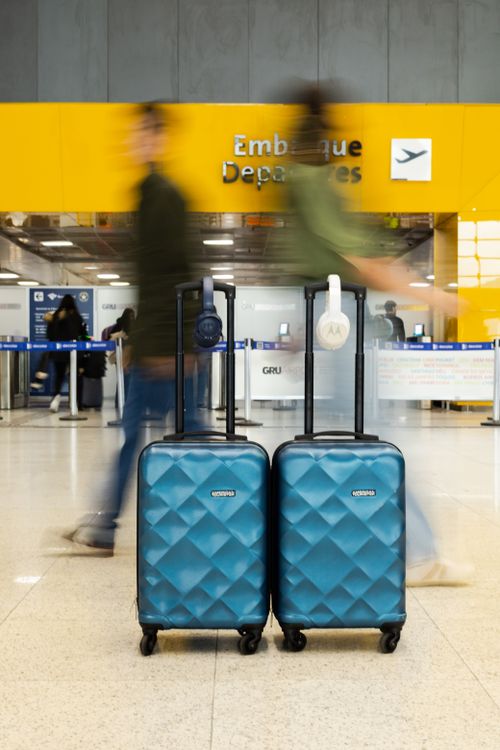
Travelling with only a carry-on can reduce baggage fees and remove the wait at the carousel. Checking a bag can make a longer trip easier and prevent problems with liquids, winter clothing or limited overhead space.
The cheaper choice depends on the airline, fare, route and what you need to bring. Some low-cost fares charge for a full-size cabin bag, while some long-haul tickets include checked baggage. “Carry-on only” does not save money when you pay extra for the cabin bag, buy replacement toiletries and spend time doing laundry.
Quick verdict: carry-on only is usually best for short trips with flexible clothing and an included cabin allowance. A checked bag can be better value for longer travel, cold weather, family trips or fares that already include baggage.
Start with the fare—not the airline name
Baggage rules often change by fare type. Two passengers on the same flight may have different allowances because one booked basic economy and the other booked a standard or flexible fare.
Before comparing options, write down:
- Personal-item size and weight
- Full-size carry-on size and weight
- Checked-bag weight
- Fee for each direction
- Whether the fee changes at the airport
- Connecting-airline rules
- Rules for the return flight
Do not rely on an old travel blog or a screenshot from another route. Open the airline’s current baggage page and check your exact booking.
When carry-on only usually wins
Carry-on travel is strong for two-to-five-day trips, warm destinations and journeys with train connections or frequent hotel changes.
It can save:
- Checked-bag fees
- Time at bag drop and collection
- The risk of delayed checked luggage
- Taxi space when several people travel together
- Effort moving through stairs, stations and city streets
You also keep medication, electronics and essential clothing with you. This is useful when a connection is short or the first night of the trip is important.
The hidden costs of carry-on travel
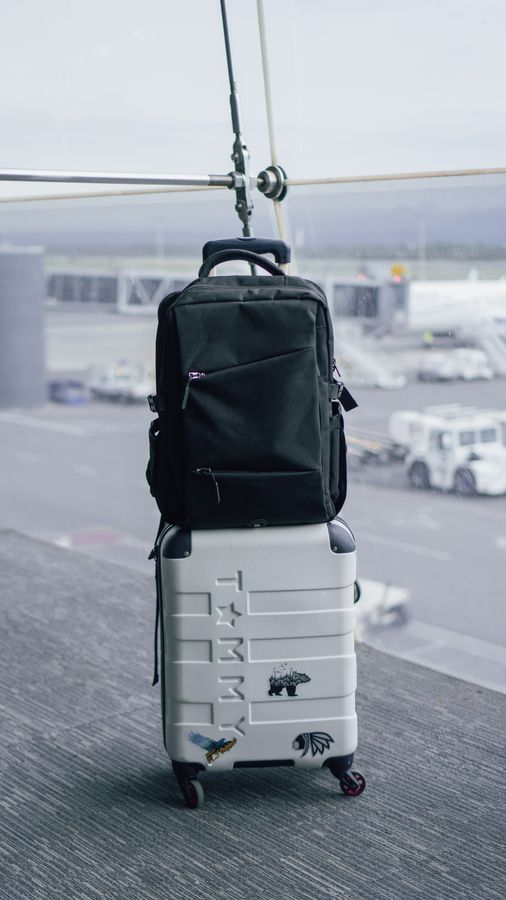
A cabin-only plan can create extra spending. Airport liquids rules may force you to buy small containers or replace toiletries after arrival. The US Transportation Security Administration limits carry-on liquids, aerosols, gels, creams and pastes to containers of 3.4 ounces or less inside one quart-sized bag, with certain exceptions.
Laundry can also change the calculation. Paying for hotel laundry halfway through a trip may cost more than checking a bag. A laundromat is cheaper but uses holiday time.
Some travellers pay for priority boarding to improve the chance of finding overhead space. Others buy a lightweight suitcase specifically to stay under a strict weight limit.
Include these costs instead of comparing only the baggage fee.
When a checked bag is better value
Checking luggage may be more practical when:
- The fare already includes it.
- The trip lasts more than a week.
- You need winter clothing or specialist equipment.
- You are carrying full-size toiletries.
- Children require extra clothing and supplies.
- You are attending a wedding or formal event.
- You plan to bring purchases home.
One shared checked bag can be cheaper than buying multiple cabin-bag upgrades for a family. Compare the total group allowance, not the cost for one person.
A checked bag also allows more room for clothing rotation, reducing laundry time and emergency shopping.
The time comparison
Carry-on passengers can often go directly to security and leave the arrival airport without visiting baggage claim. That advantage is strongest on short trips where every hour matters.
However, a heavy cabin bag can slow security and boarding. On full flights, airlines may gate-check bags, removing some of the time benefit. Regional aircraft can have smaller overhead bins even when your bag meets the published dimensions.
A checked bag may be less stressful when you have a long layover, travel with children or cannot comfortably lift luggage overhead.
Build a real cost estimate
Use this simple calculation for the return trip.
Carry-on total:
- Cabin-bag fee
- Priority boarding, if purchased
- Travel-size containers
- Laundry
- Items bought after arrival
Checked-bag total:
- Outbound and return fees
- Extra-weight risk
- Bag storage during stopovers
- Transport for a larger suitcase
- Basic tracking device, if purchased
Then add the value of your time. A $20 saving may not be worth two laundromat visits on a four-day holiday.
How to pack carry-on only without buying more
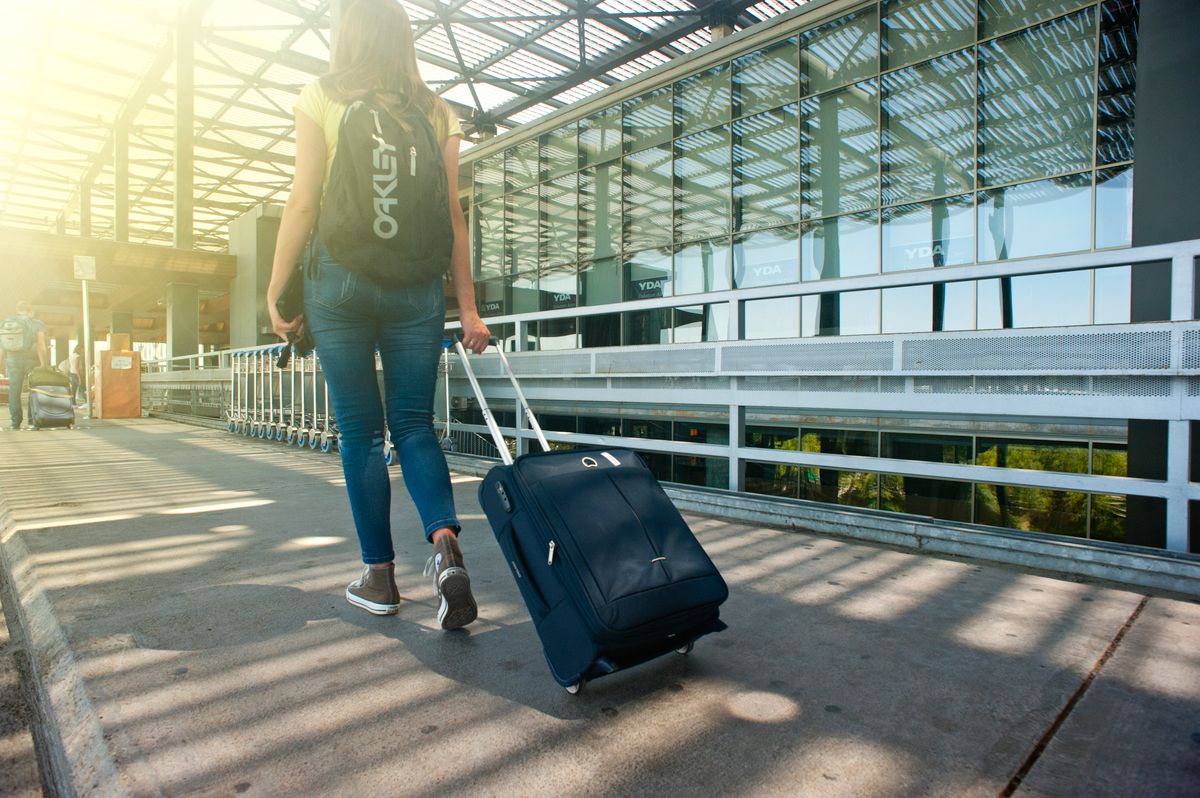
Choose a small colour palette so every top works with every bottom. Wear the heaviest shoes and outer layer during travel. Pack clothing that dries quickly and can be worn more than once.
Use refillable containers for toiletries you already own. Confirm whether the accommodation supplies shampoo, soap, a hair dryer or laundry facilities.
Do not fill every centimetre on departure. Leave space for food, documents and a small purchase. A bag that closes only when compressed may exceed the weight limit or become difficult to handle.
How to reduce checked-bag risk
Put medication, documents, keys, electronics and one change of clothes in your personal item. Photograph the bag and its contents before departure. Remove old barcode labels and add contact details inside the case.
Check in early enough for the bag to move through the system. Keep the baggage receipt until the trip ends.
If luggage is delayed, report it to the airline before leaving the airport and keep receipts for necessary replacement purchases. Rules and reimbursement processes vary by route and carrier.
International and connecting flights
The marketing airline may not operate every segment. A partner airline can have different limits, especially for weight.
Check the baggage rules shown on the ticket and booking confirmation. If the itinerary includes separate tickets, you may need to collect and recheck luggage, paying another fee.
Measure the bag at home and weigh it after packing. A few centimetres or kilograms can turn a cheap plan into an expensive airport decision.