Why iPhones Just Got £100 More Expensive — And Whether You Should Wait to Buy
UK iPhone prices have risen by around £100 as AI-driven demand pushes up memory-chip costs. Here is what changed, how much refurbished models can save, and whether buying now makes sense.

Quick Answer
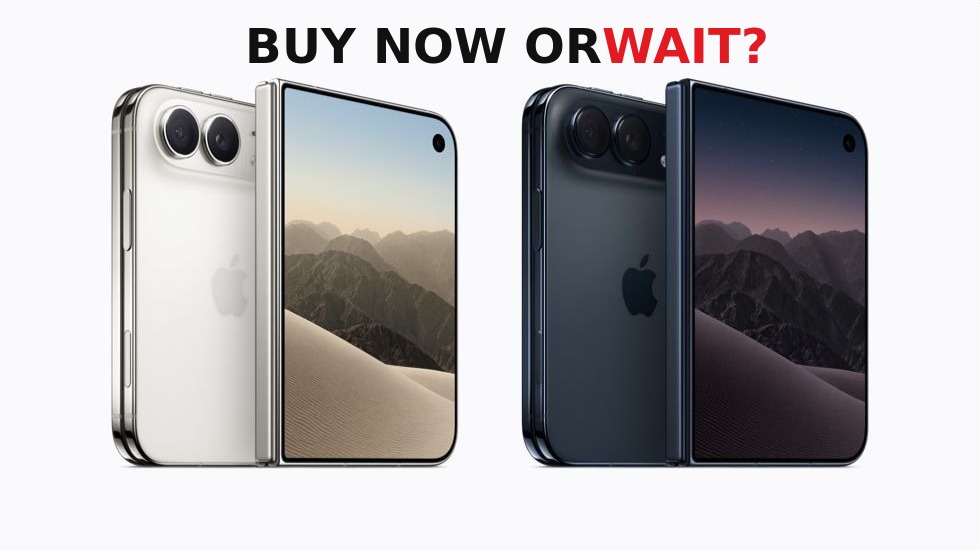
Apple’s UK iPhone prices have risen by around £100 across new and older models, while some Apple-certified refurbished iPhones are now £60 to £70 more expensive.
If your current phone still works well, waiting for a retailer promotion or buying from a reputable third-party refurbished seller is likely to offer better value than paying Apple’s new list price. However, shoppers should not assume prices will quickly return to last year’s levels: the memory-chip shortage behind the increases could continue into 2027 and beyond.
For buyers who need a phone now, the best-value options are likely to be a carefully checked refurbished iPhone, a discounted older model from a retailer, or a competitively priced mid-range Android—not necessarily the latest flagship.
Key Takeaways
- Apple has added roughly £100 to UK iPhone prices.
- The £100 increase represents about 9% to 17%, depending on the model.
- Apple-certified refurbished prices have reportedly risen by £60 to £70.
- Third-party refurbished iPhone prices have remained more stable so far.
- Samsung and Google have also increased some flagship prices, so switching to a premium Android may not automatically save money.
- Waiting for manufacturer prices to fall may not work, but retailer sales and trade-in promotions could still reduce the cost.
How Much More Do iPhones Cost?
Apple’s UK store currently lists the iPhone 17 from £899, the iPhone 17e from £699, the iPhone 16 from £799 and the iPhone 18 Pro from £1,199.
Based on the reported £100 increase, the percentage impact is larger on Apple’s less expensive models.

| iPhone | Earlier equivalent price | Current starting price | Increase | Percentage increase | |---|---:|---:|---:|---:| | iPhone 17 | £799 | £899 | £100 | 12.5% | | iPhone 17e | £599 | £699 | £100 | 16.7% | | iPhone 16 | £699 | £799 | £100 | 14.3% | | iPhone 18 Pro vs previous Pro starting price | £1,099 | £1,199 | £100 | 9.1% | | iPhone Air vs previous starting price | £999 | £1,099 | £100 | 10.0% |
A £100 increase may look smaller when divided across a contract, but it still adds approximately:
- £8.33 a month over 12 months
- £4.17 a month over 24 months
- £2.78 a month over 36 months
That is before interest, mobile service charges, insurance or accessories are included.
Apple’s own financing example shows why the total cost matters. Financing a £1,200 purchase for 12 months at a representative 14.9% APR would add £92.73 in interest, producing a total cost of £1,292.73. Interest-free options may also be available, but eligibility and terms vary.
Why Have iPhone Prices Increased?
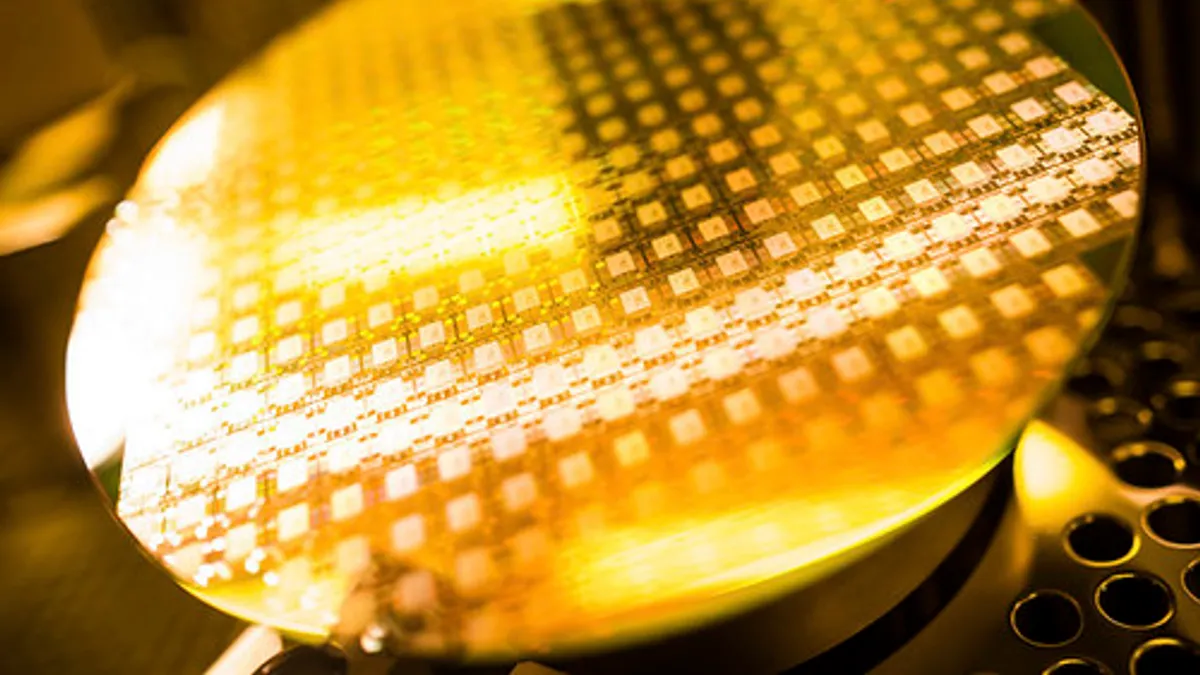
The main reason is a global shortage of memory chips and other components used in smartphones, laptops and data centres.
The problem has been nicknamed “RAMageddon.” Rapid expansion of AI data centres has increased demand for high-performance memory, while chip manufacturers have prioritised some of their capacity for more profitable AI hardware.
That has left consumer-electronics manufacturers paying more for components. IDC told The Guardian that memory costs had risen by more than 300% year over year, while some individual chip prices had increased even more sharply.
Older iPhones are affected because they still require many of the same increasingly expensive memory components. This helps explain why the price increases are not limited to Apple’s newest models.
Are Samsung and Google Phones Cheaper?
Not automatically.
Samsung and Google have reportedly increased prices on some flagship smartphones by as much as £80. A buyer switching from a new iPhone to a premium Galaxy or Pixel could therefore find that the price difference is smaller than expected.
The bigger savings are more likely to come from changing product tier rather than simply changing brand.
For example, buyers could consider:
- A mid-range Samsung Galaxy A-series phone
- Google’s less expensive Pixel A-series
- A refurbished flagship Android
- A discounted previous-generation handset
- Keeping an existing phone and replacing its battery
Before switching operating systems, remember to consider accessories and services. Someone who already owns an Apple Watch, AirPods, paid iCloud storage or Apple-only apps may face additional costs when moving to Android.

Is a Refurbished iPhone Still Worth It?
Yes—but compare sellers carefully.
Apple currently lists a certified refurbished iPhone 15 with 128GB of storage for £569 and a refurbished iPhone 16 with 128GB for £659.
Compared with a new iPhone 17 starting at £899:
| Option | Price | Saving vs new iPhone 17 | |---|---:|---:| | New iPhone 17 | £899 | — | | Apple-refurbished iPhone 16 | £659 | £240, or 26.7% | | Apple-refurbished iPhone 15 | £569 | £330, or 36.7% | | Typical third-party refurbished iPhone 16 cited by Uswitch | About £503 | About £396, or 44.0% |
Apple-certified refurbished phones include a one-year warranty, but Apple’s refurbished prices have reportedly increased by £60 to £70.
Third-party refurbished prices appear to have remained more stable so far. Uswitch reported that a refurbished iPhone 16 had stayed at roughly £503 through the summer.
A third-party phone can therefore offer a larger saving, but shoppers should check:
- Battery-health guarantees
- Warranty length
- Cosmetic condition grade
- Return period
- Whether genuine replacement parts were used
- Whether the phone is unlocked
- The seller’s independent reviews
The cheapest listing is not always the best deal if the battery needs replacing shortly after purchase.
Should You Buy an iPhone Now or Wait?
Buy now if:
- Your current phone is broken or unreliable.
- You find a genuine retailer discount.
- A strong trade-in offer meaningfully reduces the final price.
- You need a specific model for work, accessibility or compatibility.
- A reputable refurbished phone is available with a warranty.
Consider waiting if:
- Your current phone still performs well.
- You are paying full list price without a trade-in.
- You can wait for Black Friday, Boxing Day or carrier promotions.
- You have not compared SIM-free and contract costs.
- A battery replacement could extend your current phone’s life.
Waiting for Apple to reverse the £100 increase may not be a strong strategy. Industry analysts expect memory costs to remain elevated, and manufacturers do not always reduce list prices after consumers have accepted an increase.
Waiting for a retailer promotion is different. Retailers and mobile networks can still offer discounts, larger trade-in credits, gift cards or lower-cost contracts even when Apple’s official price remains unchanged.
The Cheapest Ways to Buy an iPhone
1. Keep your existing phone longer
Delaying a £899 purchase by one year effectively keeps about £74.92 a month in your budget during that period.
If the phone only needs a new battery, repairing it may be significantly cheaper than replacing the entire device.
2. Compare refurbished sellers
Check Apple’s certified store, mobile networks and established refurbishment specialists. Compare the warranty and battery guarantee—not just the headline price.
3. Calculate the complete contract cost
Multiply the monthly payment by the full contract length and add any upfront charge.
A £45 monthly contract lasting 36 months costs £1,620. The handset may appear affordable each month, but the total can be much higher than buying a phone separately and using a SIM-only plan.
4. Use trade-in value carefully
Apple currently advertises trade-in credits of up to £855 for eligible devices when purchasing selected new iPhones. The maximum figure will only apply to qualifying higher-value models in acceptable condition.
Compare Apple’s offer with independent resale prices before accepting it.
5. Avoid paying interest when possible
A monthly payment is not automatically interest-free. Check the APR, total interest and total amount payable before choosing finance.
6. Consider an older model—but compare the actual price
Older no longer automatically means cheap. Because Apple has raised prices across older products too, a discounted retailer listing or refurbished model may provide better value than an older iPhone bought directly from Apple.
Is It Worth Switching to Android?
Switching can save money if you move to a good mid-range Android phone. It may not save much if you replace an iPhone Pro with the newest Galaxy Ultra or Pixel Pro XL.
Android may be the better-value choice if you:
- Do not rely heavily on Apple-only services
- Want more choice below flagship prices
- Are comfortable transferring your photos and messages
- Do not need compatibility with an Apple Watch
- Find a model with long software support
Staying with Apple may still be worth the extra cost if changing platforms would require replacing other devices or disrupt services you use every day.
Bottom Line
The new UK iPhone prices make paying full price harder to justify, especially for buyers who already own a recent model.
If your current iPhone works, the smartest move is usually to keep it longer and wait for a meaningful retailer or trade-in promotion—not simply wait and hope Apple reverses the increase.
If you need a replacement now, a reputable refurbished iPhone 15 or 16 can save roughly £240 to £396 compared with a new £899 iPhone 17. Shoppers open to Android may save more by choosing a mid-range model, but switching to another premium flagship is unlikely to avoid the wider rise in smartphone prices.